Reviewer: TailHappyTV (United States)
1. About the Reviewer
TailHappyTV is a YouTube channel focused on real-world e-bike testing, with a performance-first style: unboxing and specs, weigh-ins, hill climbs, acceleration, off-road and beach riding, braking, and range—then a verdict on whether the bike is “worth the price.” In this episode, the HC26 is framed as a roughly $1,599 fat-tire full-suspension dual-motor AWD model marketed as a relatively affordable dual-motor option. On test day the rider was about 6′5″ (≈196 cm) and 200 lb (≈90 kg); the results should be read with that body size in mind.

2. Unboxing & Specs
Powertrain & Battery
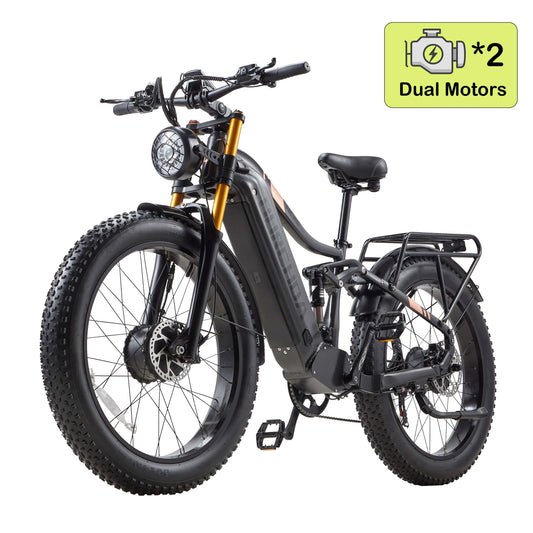
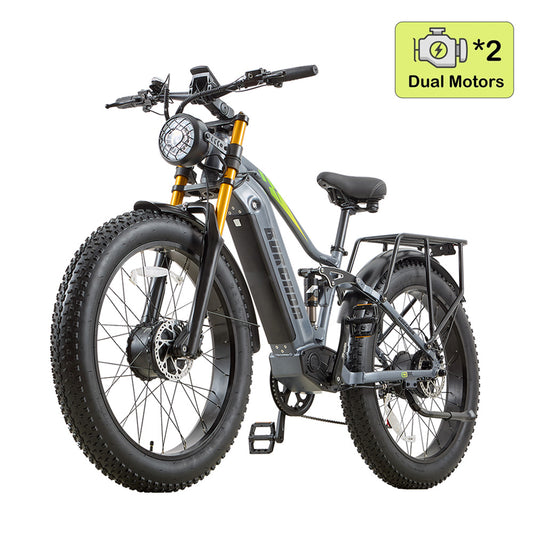
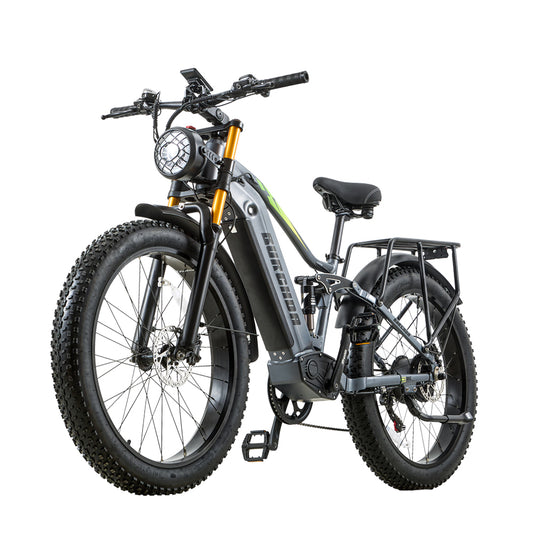
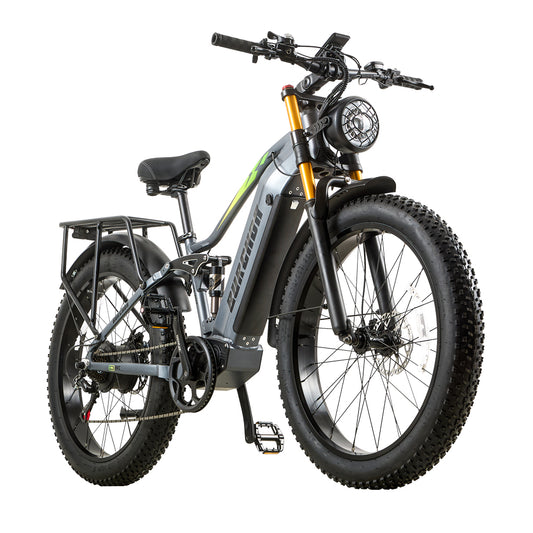
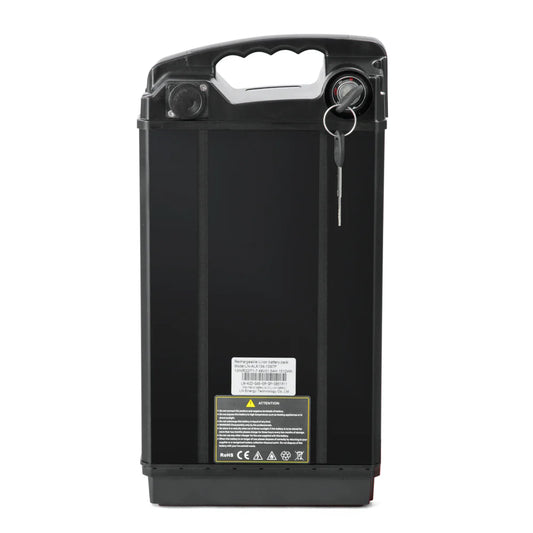
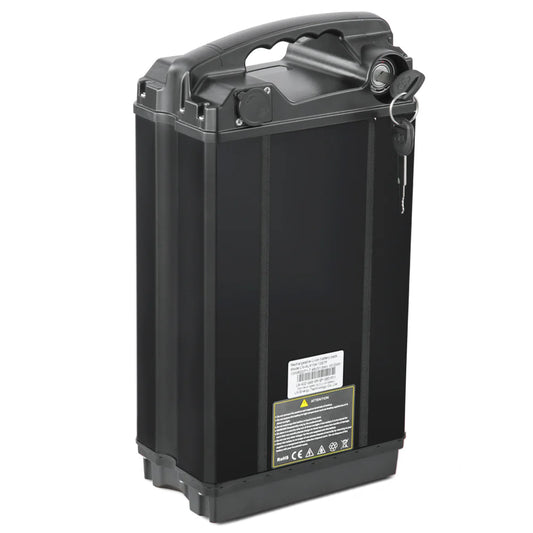
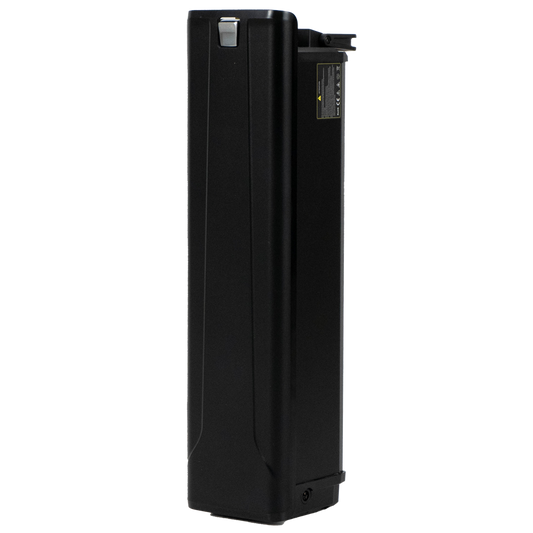
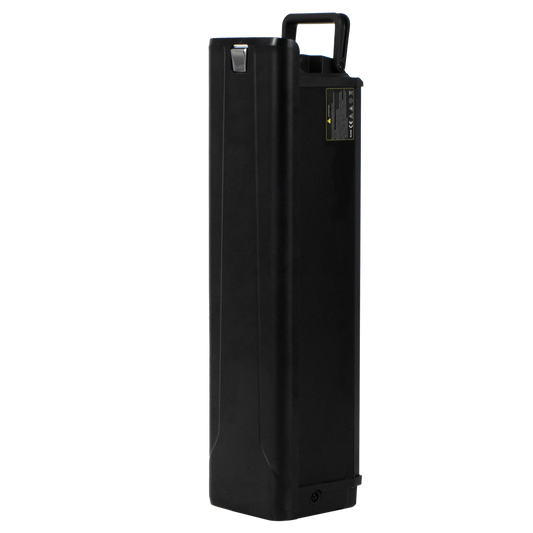
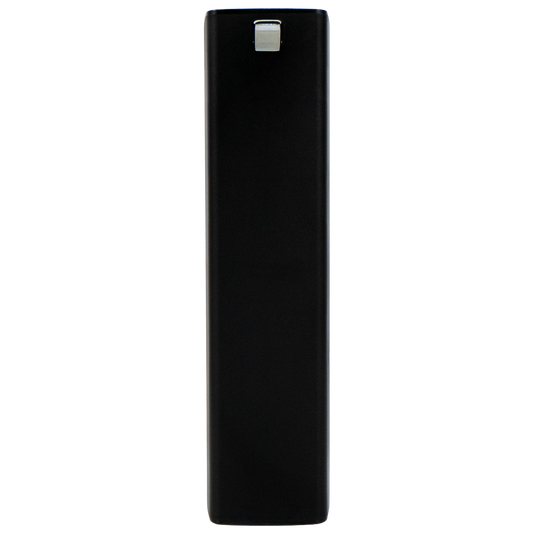
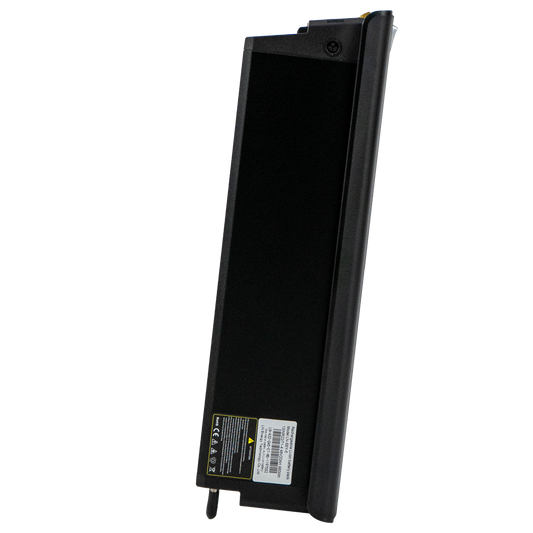
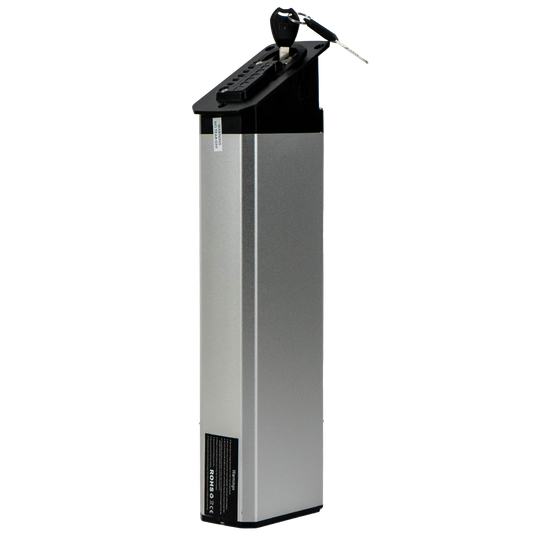
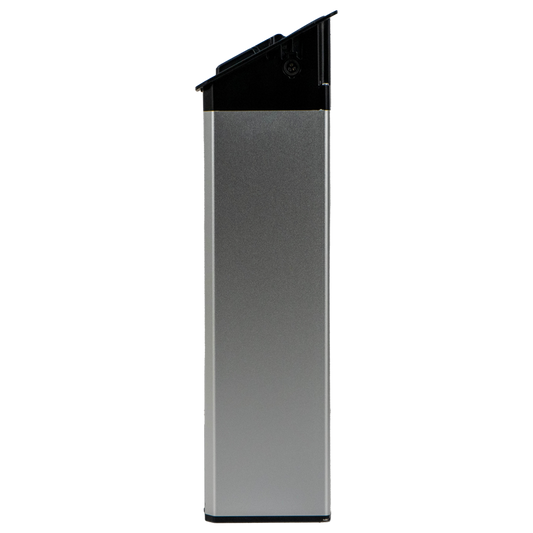
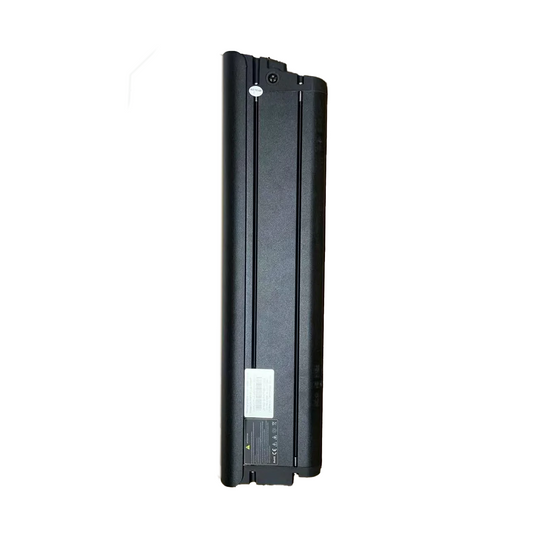
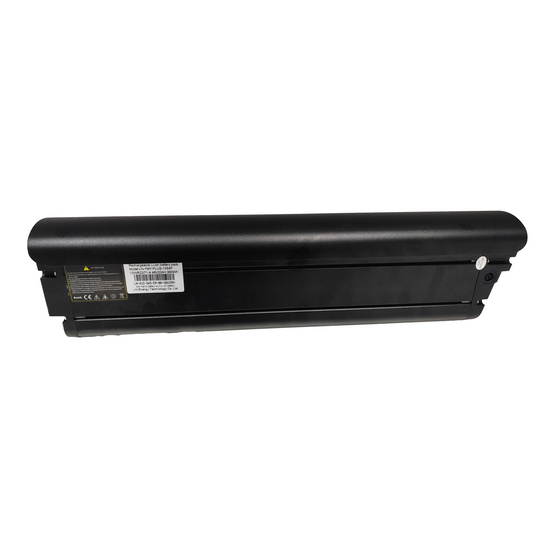
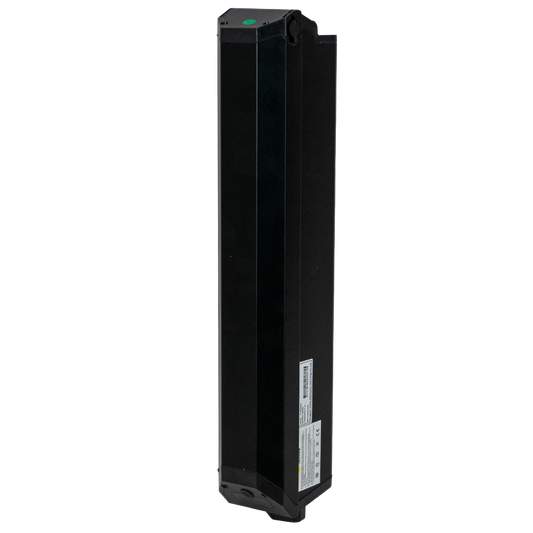
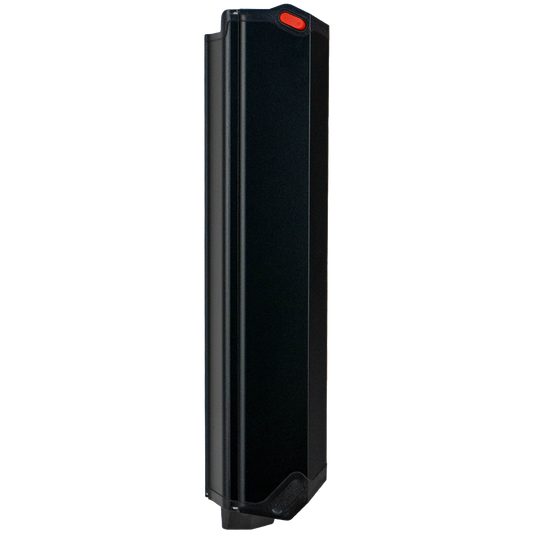
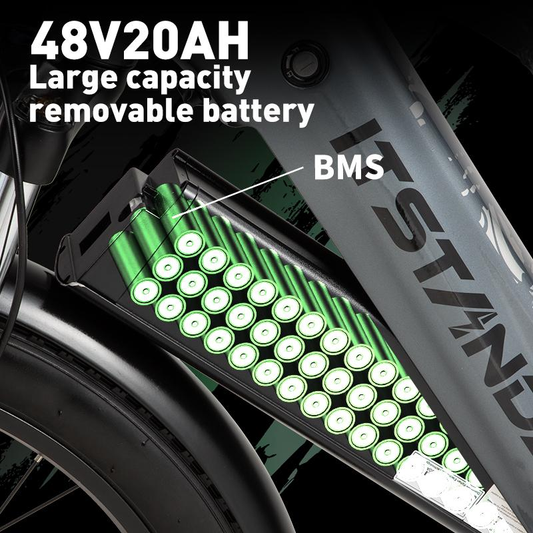
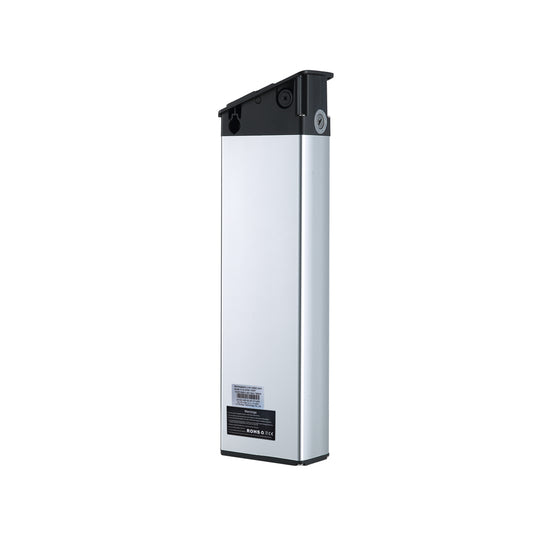
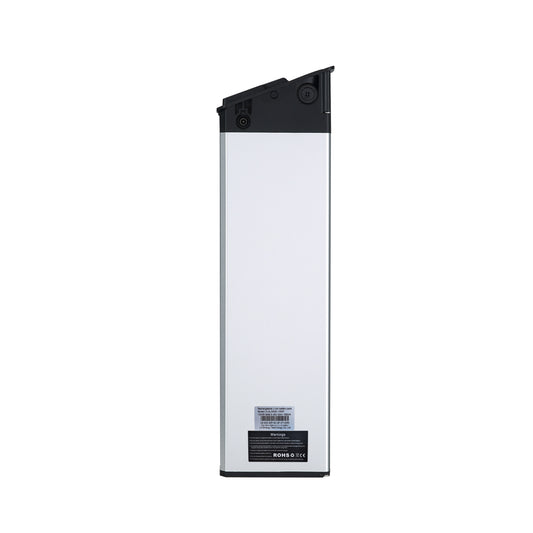
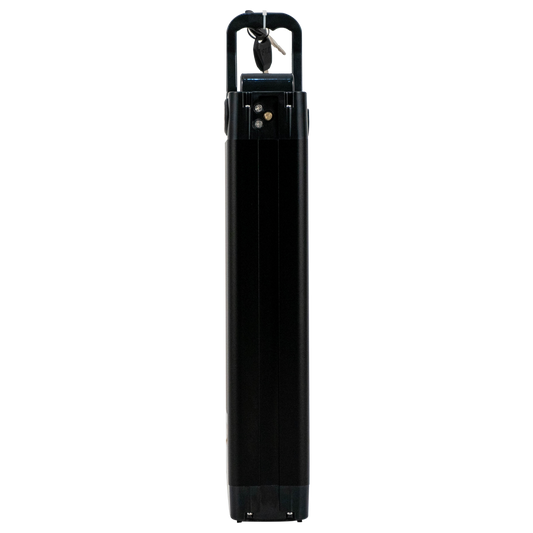
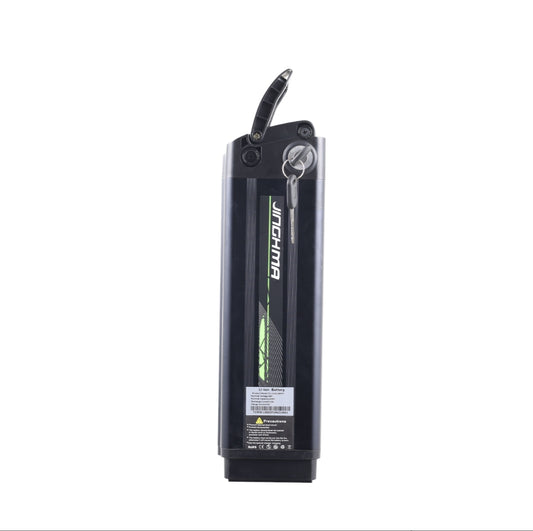
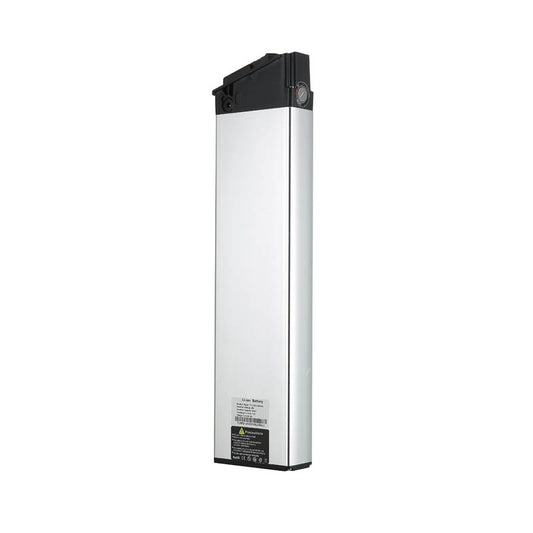
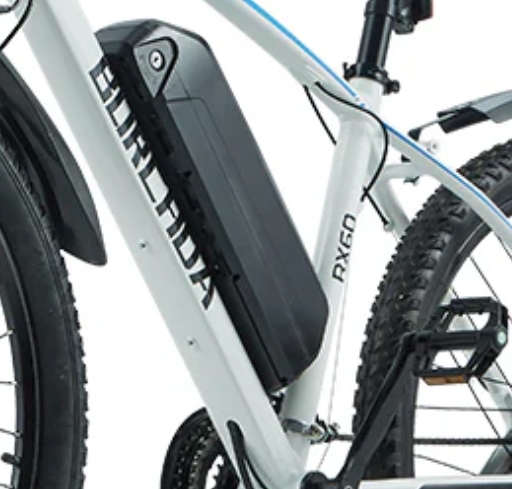
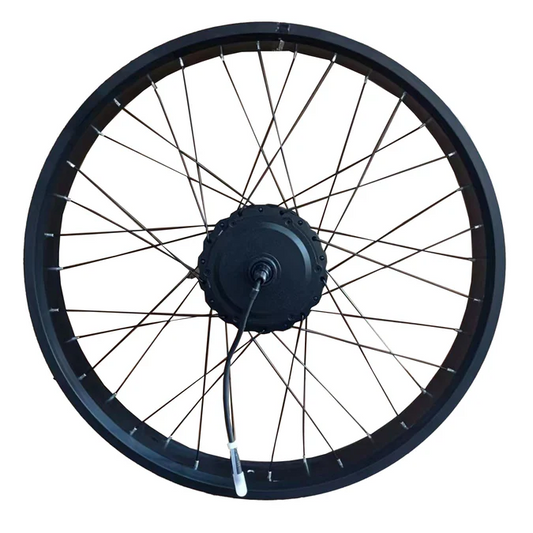
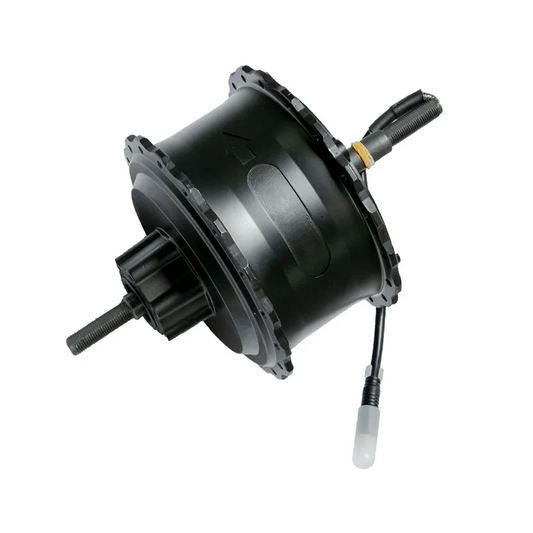
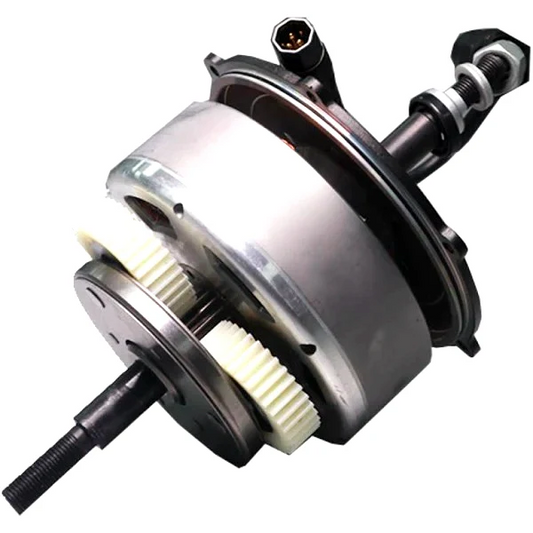
The HC26 uses front and rear hub motors: roughly 750W continuous (1,000W peak) up front and 1,000W continuous (1,500W peak) at the rear, on a 48V system. Peak output also depends on controller current and battery discharge capability. The battery is 48V / 30Ah (about 1,440Wh), removable with a carry handle; the pack alone weighs about 16.4 lb. The stock charger is about 3A, so a full charge from empty takes roughly 10 hours.
Frame & Suspension
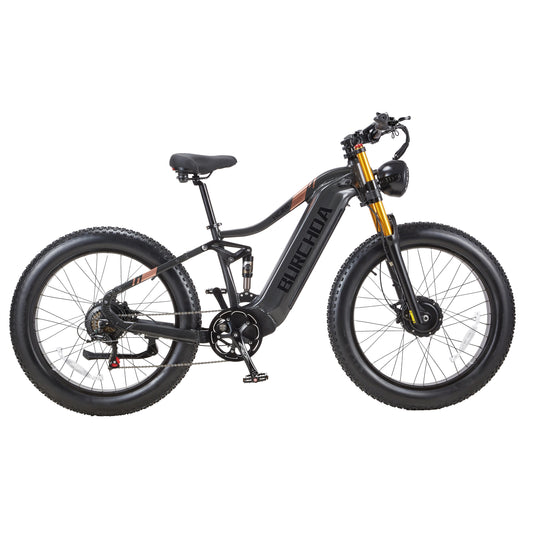
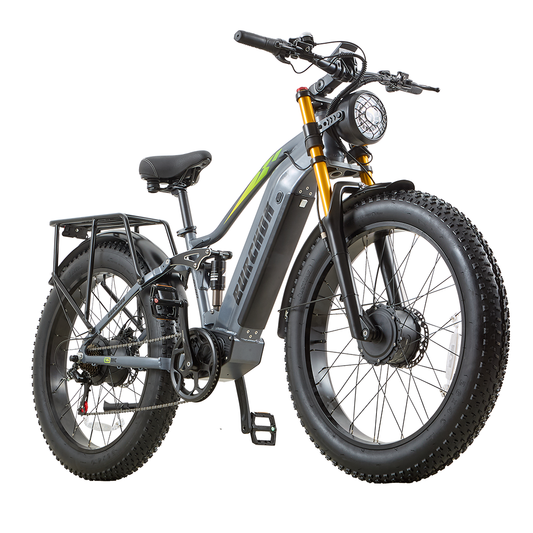
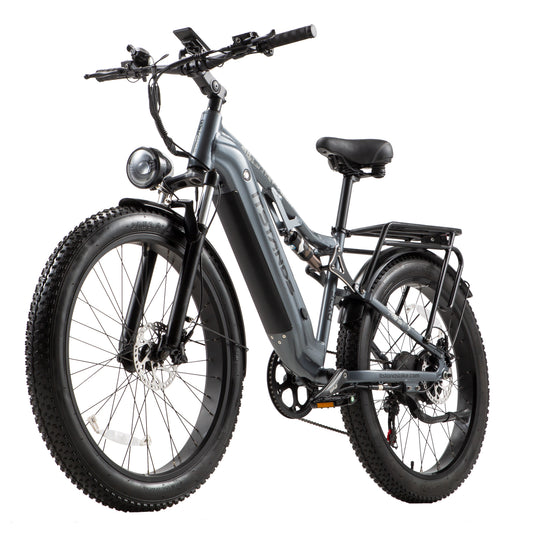
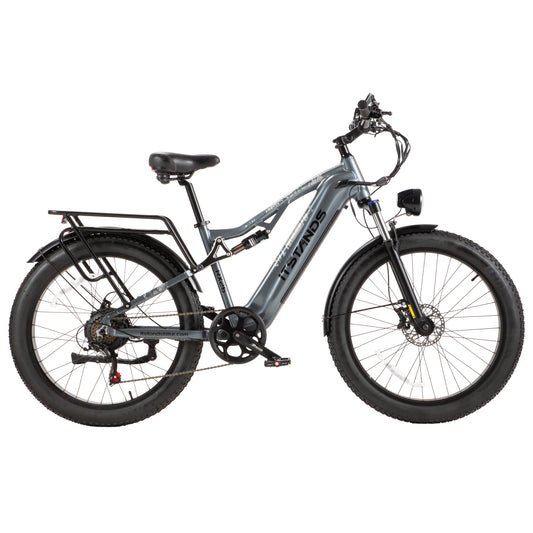
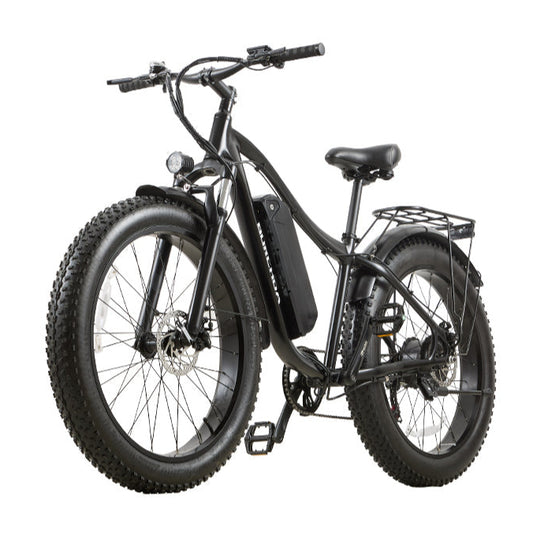
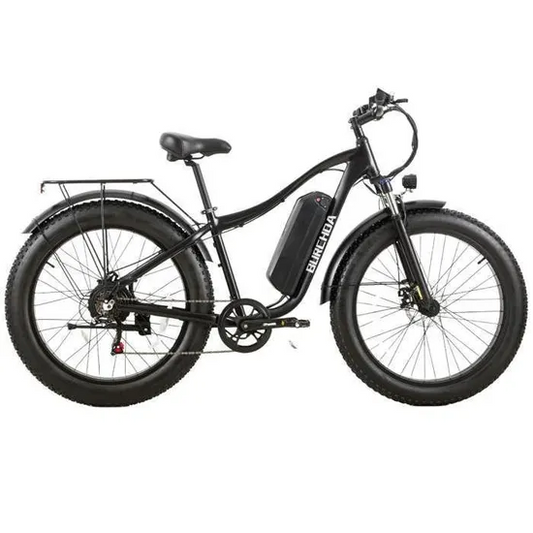
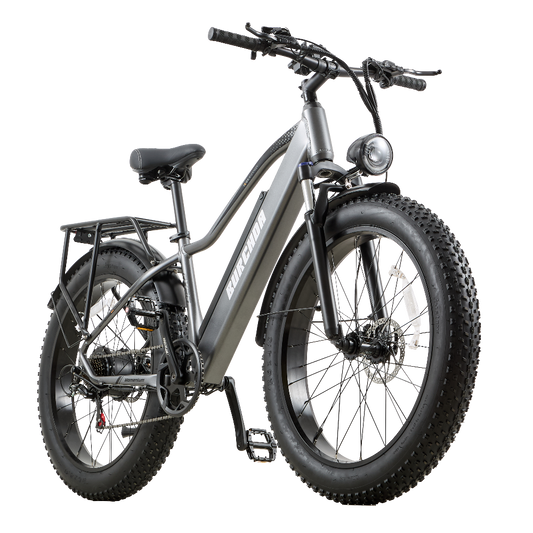
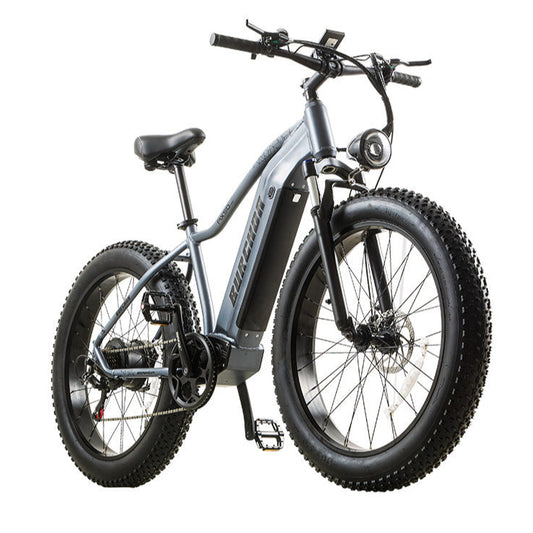
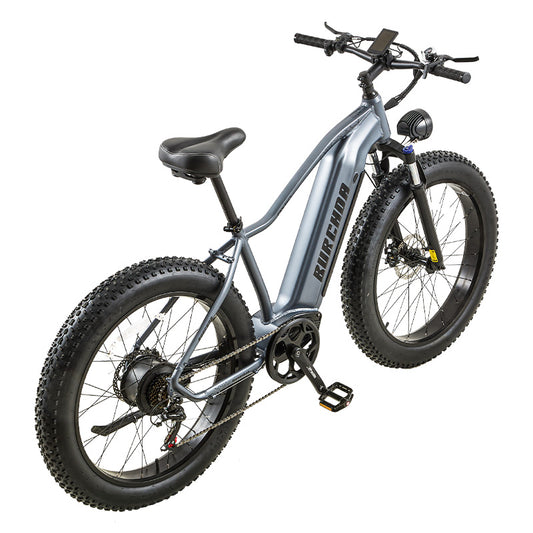
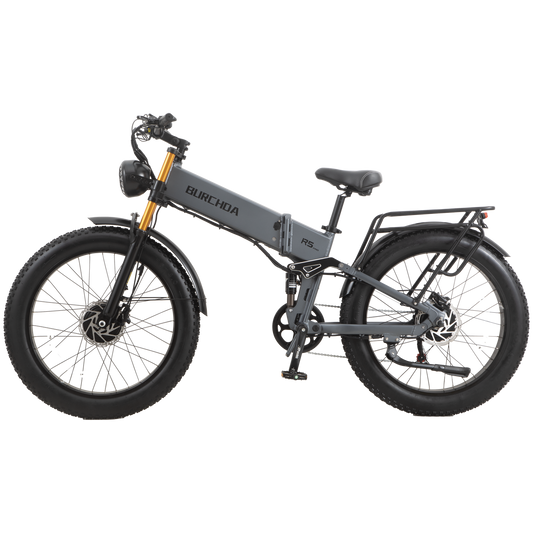
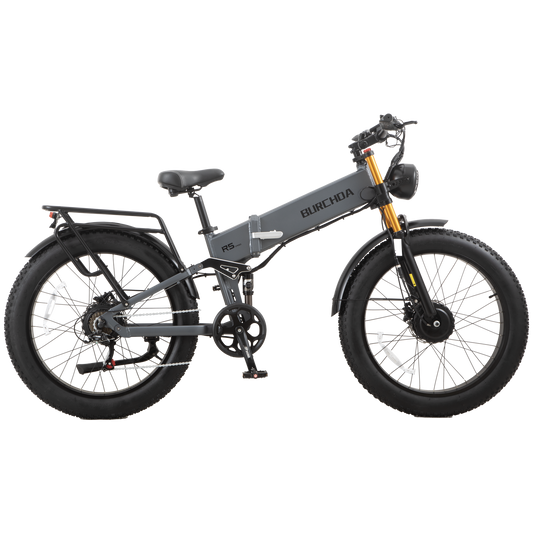
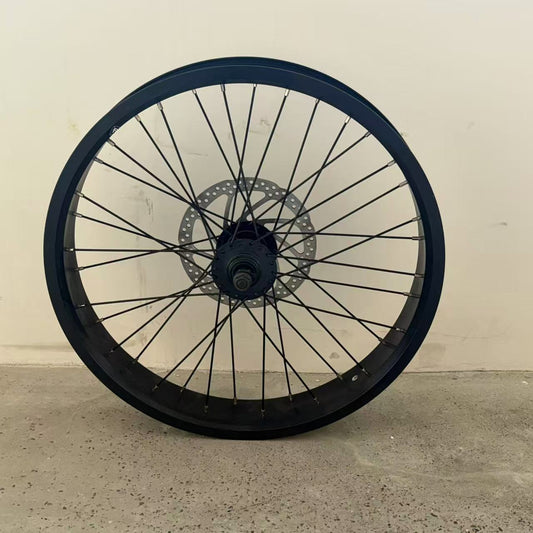
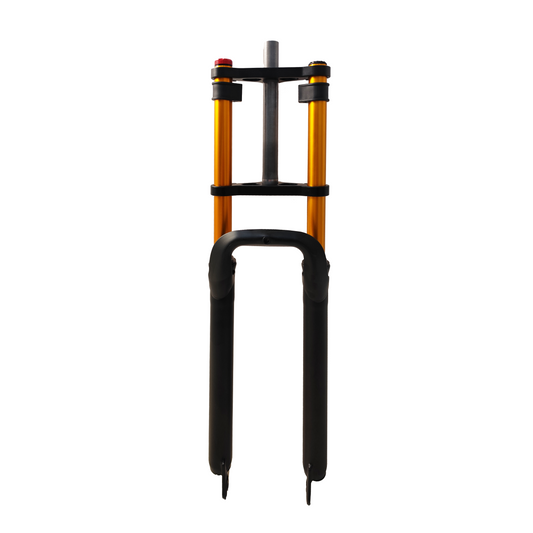
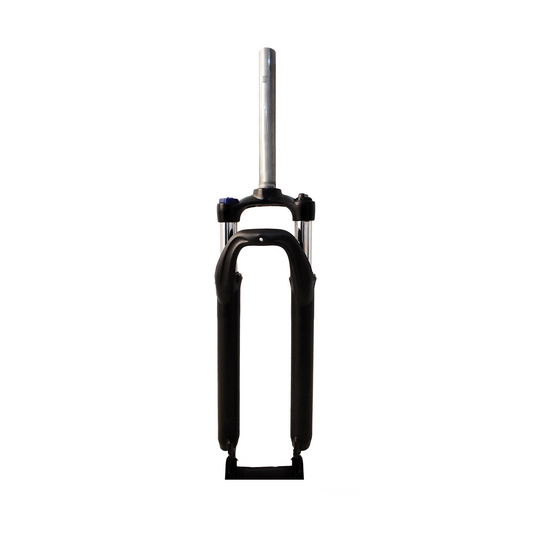
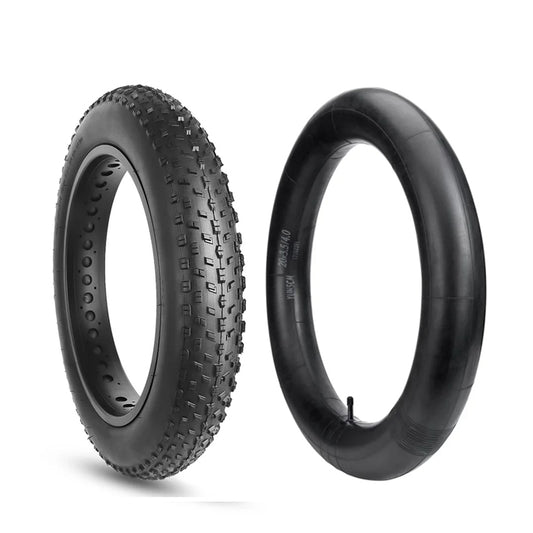
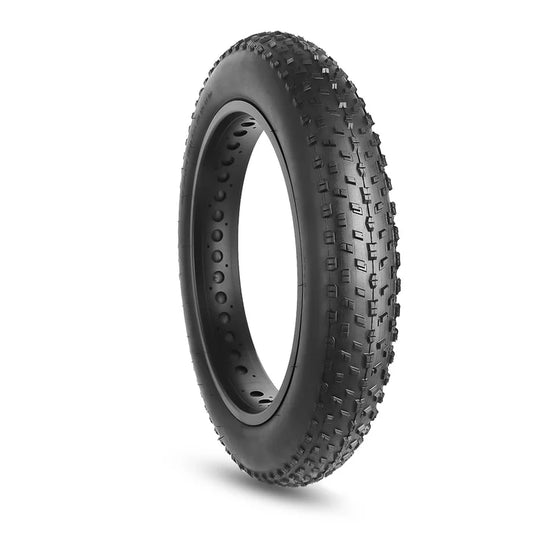
It is a 26×4 fat-tire full-suspension bike. The front fork is a dual-crown design with gold-colored stanchions: compression adjust on the right, little to no adjustability on the left. The rear shock is very basic, with almost no tuning options. The finish includes faux-carbon paint and copper/rose-gold accents; the reviewer notes that at this price it is not real carbon fiber—only a lookalike finish.
Brakes, Drivetrain & Cockpit
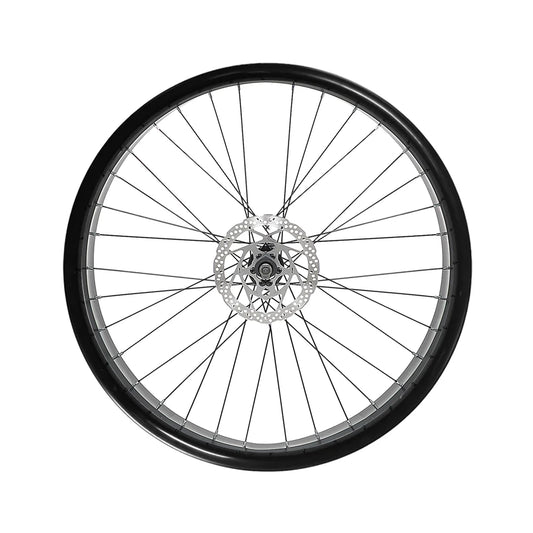
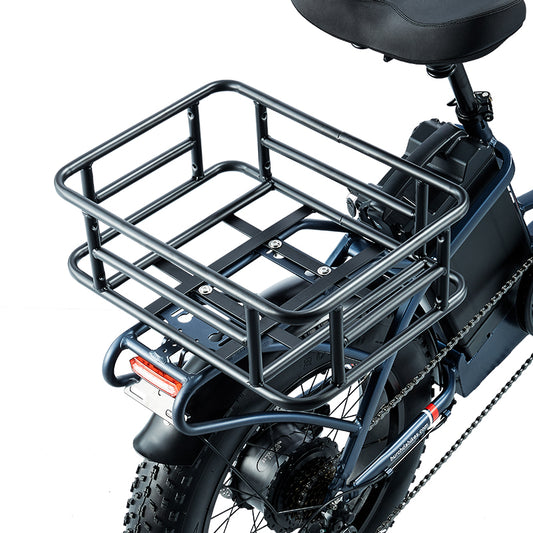
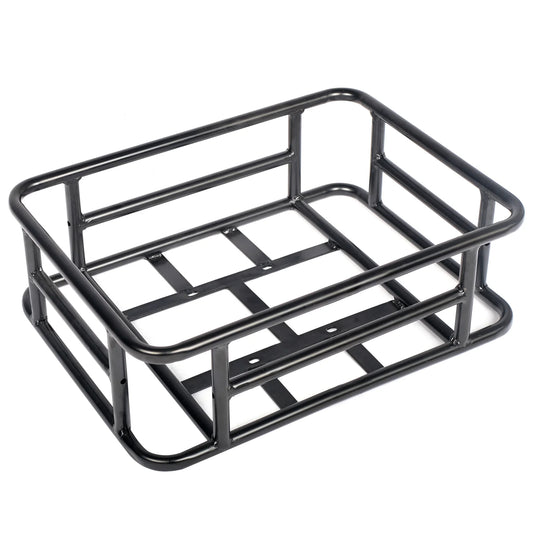
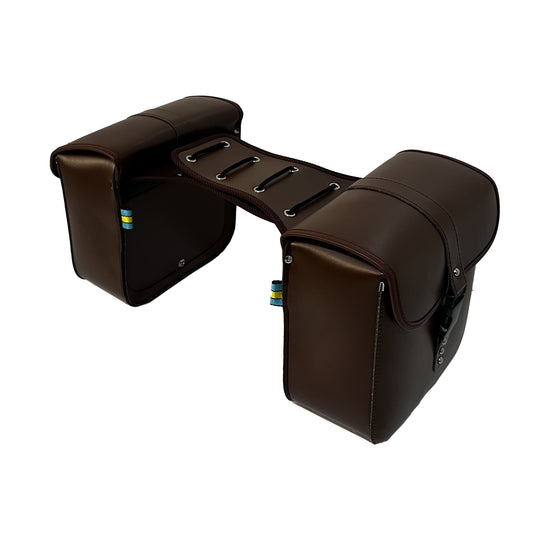
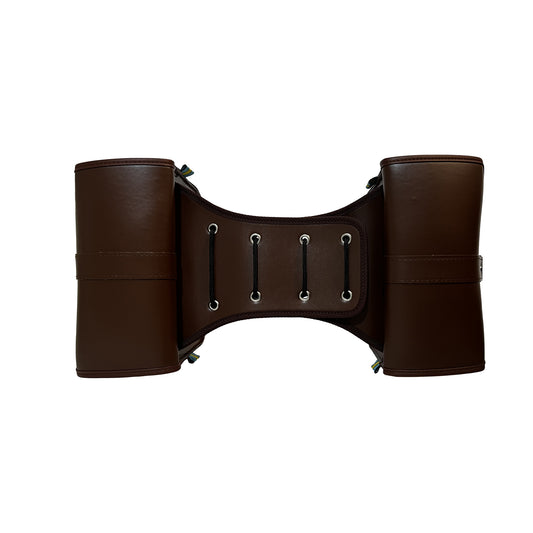
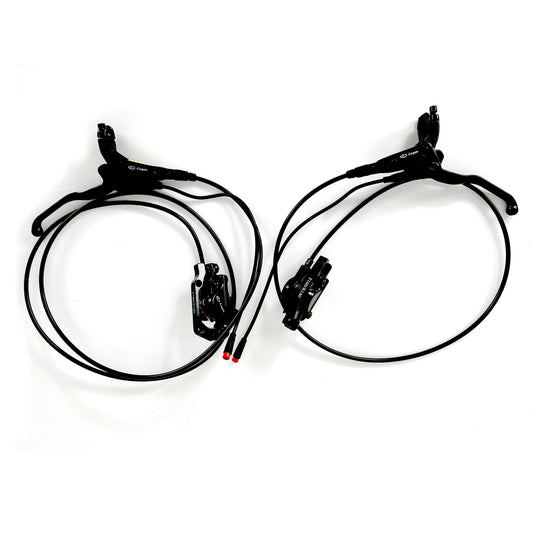
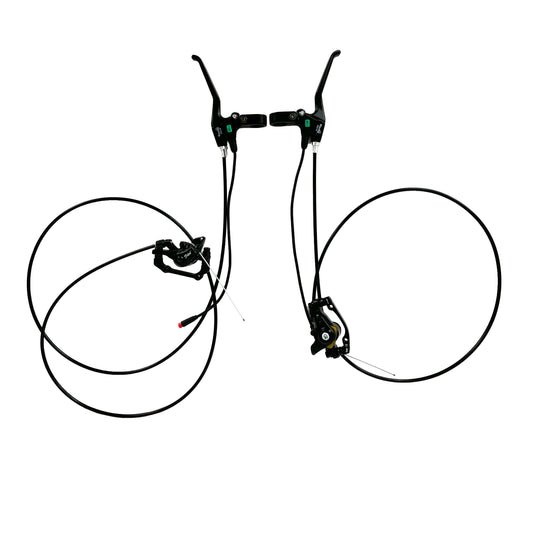
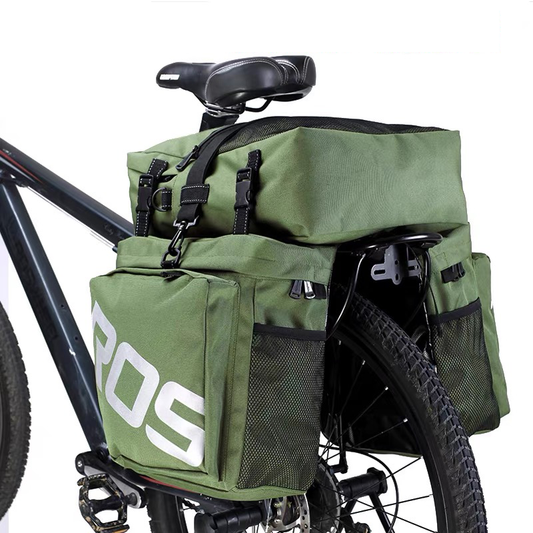
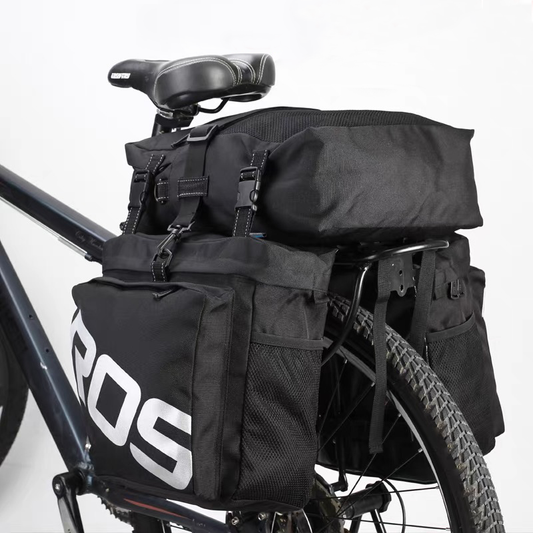
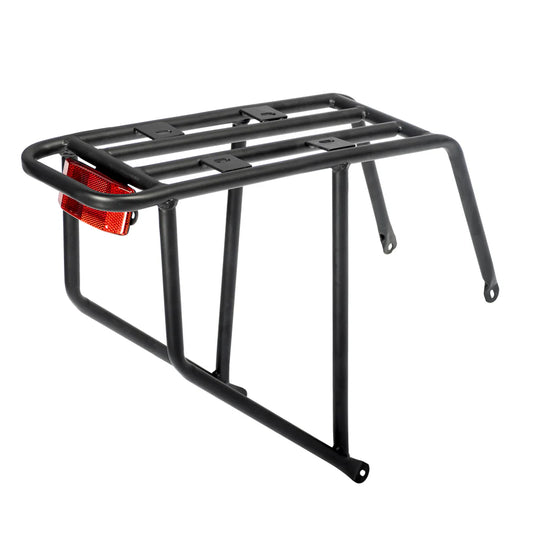
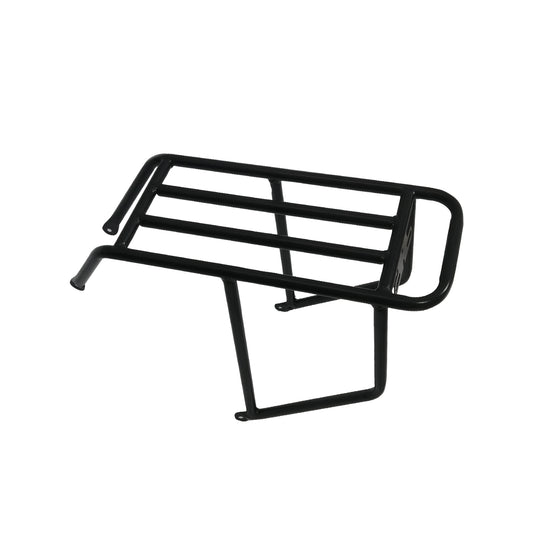
Braking is four-piston hydraulic, with a 160mm rotor up front and 180mm at the rear. The reviewer notes that high-performance two- and four-wheel vehicles usually put the larger rotor up front, since roughly 60–70% of stopping power is on the front wheel, so he is skeptical of the “smaller front / larger rear” setup. The drivetrain is a 7-speed Shimano cassette (about 14–28T) with a TZ-level derailleur, plus a right-hand quarter-twist throttle. The stem is height-adjustable; grips and levers are entry-level hydraulic kit. There is a color display and USB-C on the underside. The saddle has its own small battery-powered blinker; there is no proper rear light—only a reflector. A rear rack comes partly pre-installed, along with mirrors, a phone mount, saddlebags, a cable lock, and more—more accessories than many bikes at this price.
Fit & Feel
With the seat post fully extended, a 196 cm rider can still just about make it work; the post also drops quite low. Pedals and crank arms are metal, with a somewhat dated graphic style. The front wheel uses a basic bolt-on axle. Overall impression: well-equipped on paper, but materials and suspension are clearly “good enough,” not premium.
3. On-Road & Off-Road Testing
Motor Modes & Assist Logic
The display can switch among front-drive, dual-motor, and no-motor modes (via a long-press on the relevant control). Assist uses a cadence sensor, not a torque sensor: how hard you press the pedals barely changes output; each assist level more or less sets a fixed power/speed ceiling. There are about 5 assist levels. In level 0 (no assist), the bike is heavy enough that unassisted pedaling on flat ground is only about 4–5 mph. Rough assist speed bands: level 1 ≈ 11 mph, level 2 ≈ 14 mph, level 3 ≈ 19 mph; high-assist throttle holds around 23 mph, and pure throttle tops out near 28 mph. The reviewer thinks a 48V system might reach about 33 mph with setting tweaks, but not much beyond that.
Climbing & Acceleration
On a roughly 20% grade: rear-only full throttle can pull the bike up; front-only is clearly weaker in both traction and drive; dual motor clears it easily. 0–20 mph in dual motor feels “pretty snappy”; the onboard speedometer briefly glitched, later cross-checked with GPS. On the California Incline (about 12%, ~85 ft of climb), dual motor, almost no pedaling, ~200 lb rider: about 24–25 mph. On spiral sections, dual motor did not obviously spin the front wheel, but steering feels a bit duller than rear-only, with less agility.
Off-Road & Beach
26×4 + dual motor is where this bike shines. Around 20 PSI favors range; for sand you can drop to about 8 PSI for more grip, at a clear cost to range. On soft sand and side slopes, the knobby tread bites in and thrust is strong. Short full-throttle sand sessions showed no obvious motor or controller overheating. Versus a bystander’s 20″ dual-motor bike: smaller wheels feel torquier and punchier; 26″ rolls over bumps and ruts more smoothly. This bike does not fold and is not a step-through, so mounting is less convenient than a step-through frame.
Lights & Braking
The headlight is only average; the rear is nearly unlit at night—mainly the saddle blinker and reflector. On downhill brake tests, the hydraulics feel smooth and “adequate”—better than some cheap disc setups, but not top-tier, and not something to trust for panic stops from high speed in a very short distance.
Range Sample
On a day of mostly throttle / dual motor with little pedaling, after about 17 miles, ~15 minutes of ride time, and an average of ~13.3 mph, the display still showed about 6 bars. The reviewer takes that as a sign this 48V 30Ah pack is friendly if you want to ride hard for a while and still have juice left; going much larger would add a lot of weight, and for him this pack already feels “big enough.”
4. Pros & Cons
Pros (per the reviewer)
- At around $1,600, dual motors + a large battery deliver strong power/range value
- Traction and thrust on soft ground and beach sand are the core strengths
- Hydraulic brakes are fine for everyday riding, with decent lever feel
- Fairly complete accessory kit (rack, bags, mirrors, phone mount, lock, etc.)
- Large battery supports longer high-power runs without draining quickly
Cons (per the reviewer)
- Relatively heavy, with less agile handling—especially with the tall 26×4 wheels
- Cadence assist feels like “set speed bands,” less natural than a torque sensor
- Lighting is weak (especially at the rear)
- Non-folding; taller riders also find it less easy to mount than a step-through
- “Carbon fiber” is cosmetic only
5. Overall Take
In TailHappyTV’s framing, the HC26 is not a bike built for refined handling or high-end suspension. It is a performance-oriented budget machine that trades dual-motor drive and a large battery for thrust, sand capability, and range headroom. At roughly $1,600 list, the reviewer finds it broadly worth buying—if you specifically want dual-motor fat-tire off-road/beach capability and battery capacity, and you can live with the weight, basic suspension, and entry-level electronics/brakes. If you prioritize light, quick steering, foldability, torque-sensor road feel, or strong night lighting, this bike is a poor match.