1. About the Reviewer
The channel is 103 mob stories, hosted by Arnaud Heitz (often in a fat-bike / “mobeur” persona). It currently has about 213K subscribers and 1,000+ videos. The channel bio is straightforward: it is for two-wheel and restoration fans—mopeds, scooters, bikes, e-bikes (VAE), fat bikes, and e-scooters.
The style is very “French garage”: unbox and roast the packing, measure everything, pull the battery, then take it straight into muddy woods. In this episode the Shengmilo S600 is framed as a dual-motor full-suspension fat bike built to have fun on trails, at around €1,700. The video is a sponsored collaboration; what follows is his on-bike impression only—no purchase links or promo codes.

2. Unboxing & Specs
Powertrain & Battery
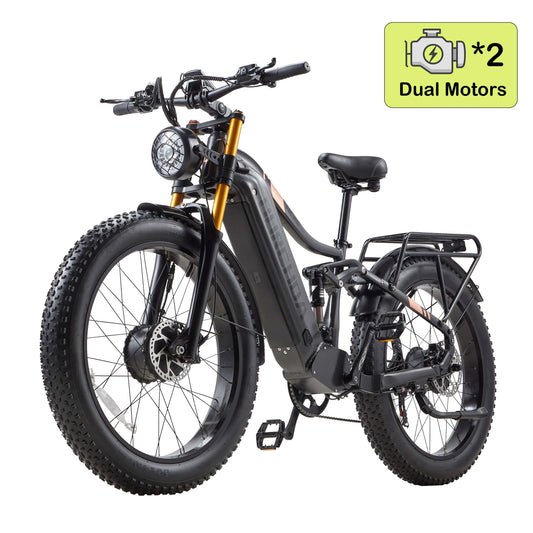
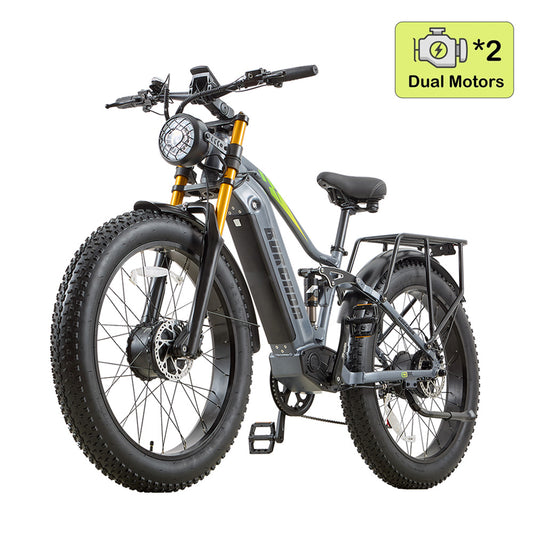
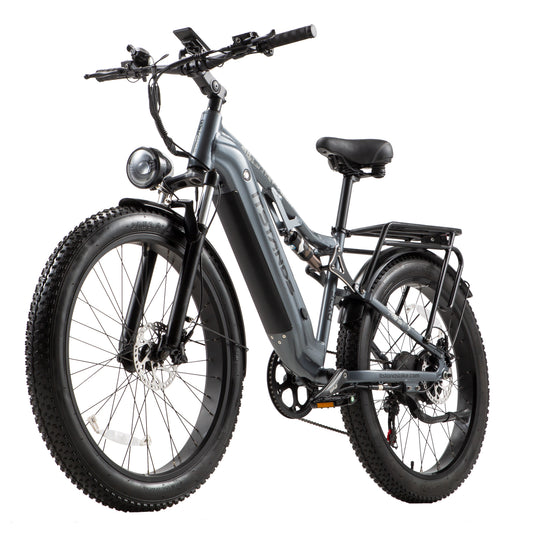
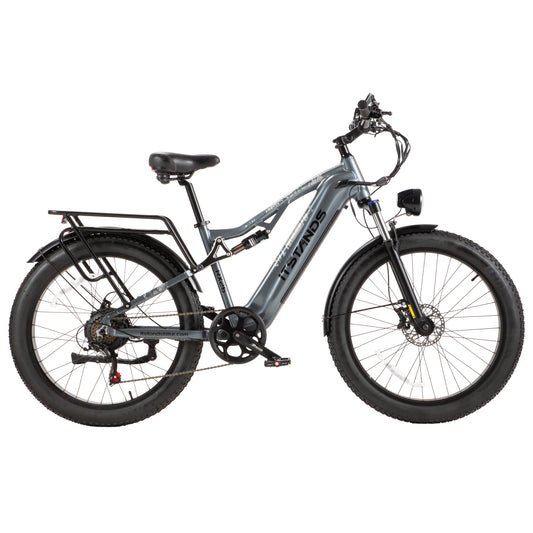
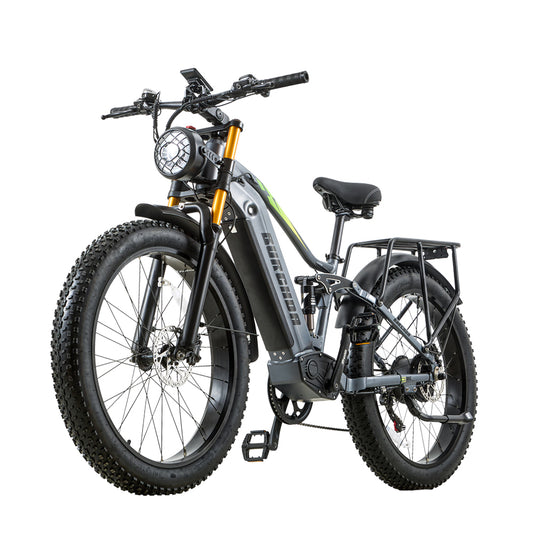
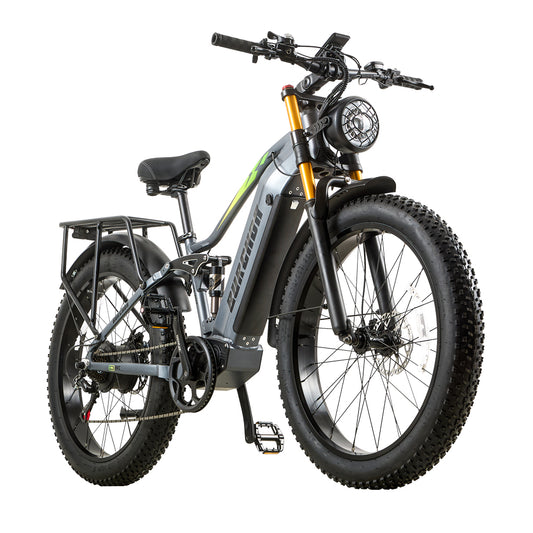
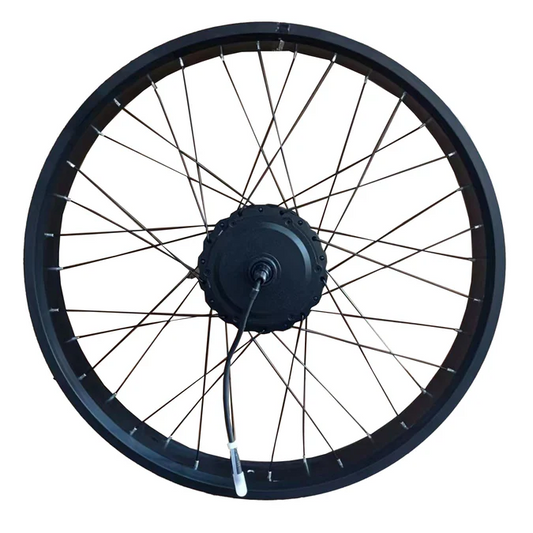
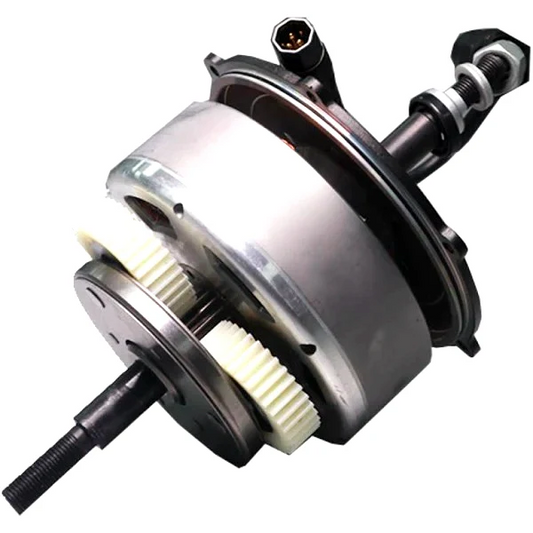
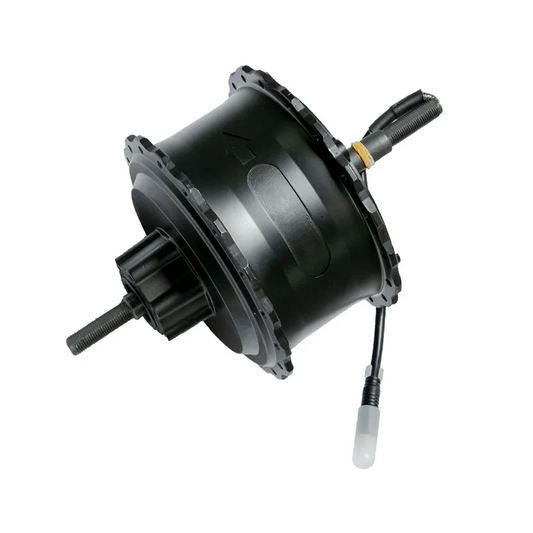
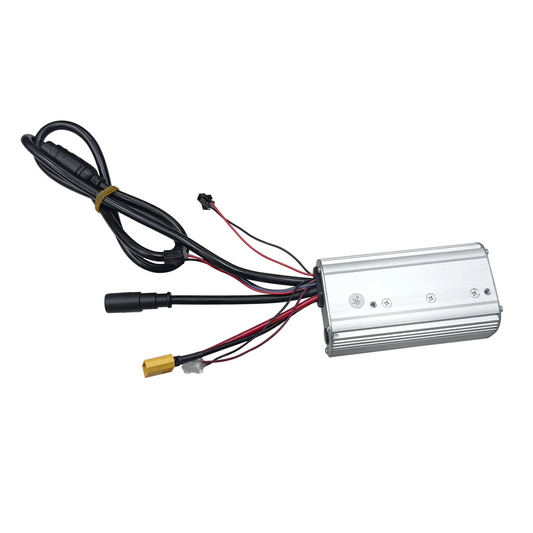
The S600 uses front and rear hub motors: 48V, 1,000W nominal each. The brand also quotes about 80 Nm per motor, climbs around 40°, and about 45 km/h. Arnaud’s point is that dual motor is not for lighting up the front tire on tarmac—it is for traction in dirt and mud, with both wheels working.
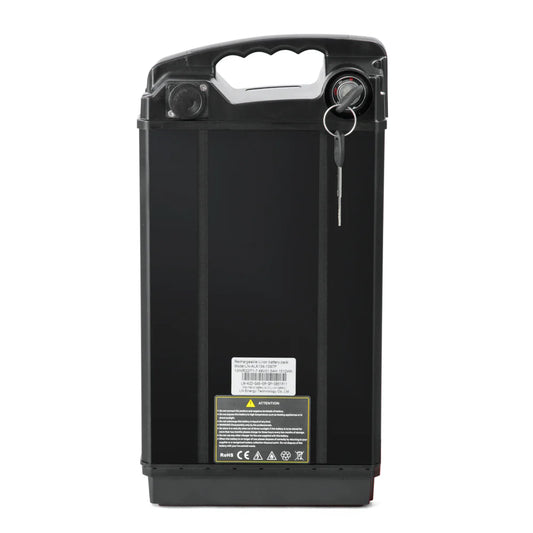
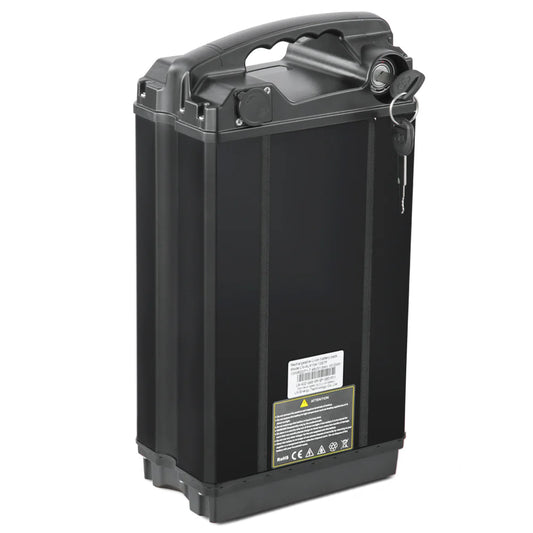
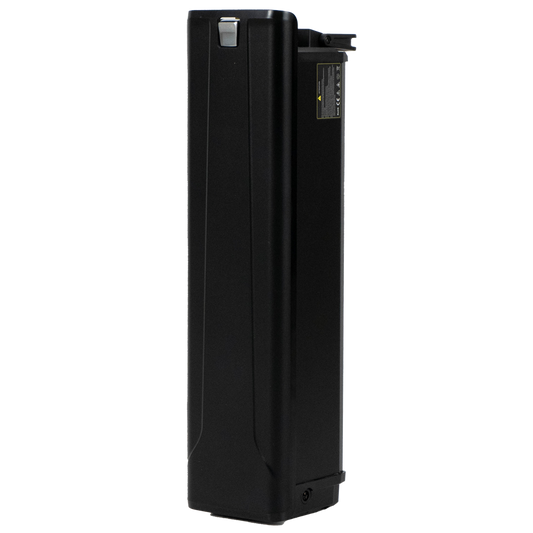
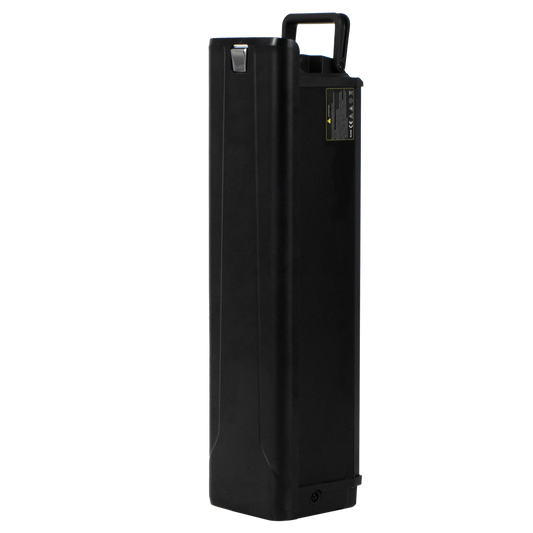
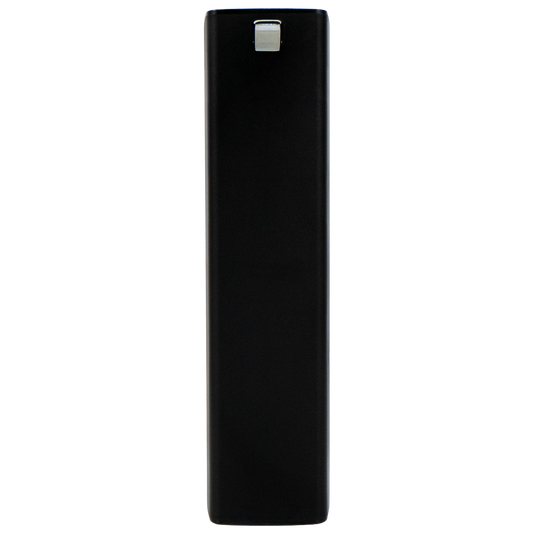
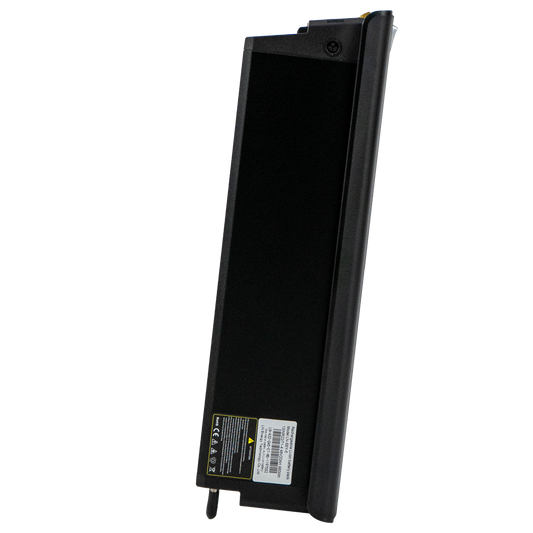
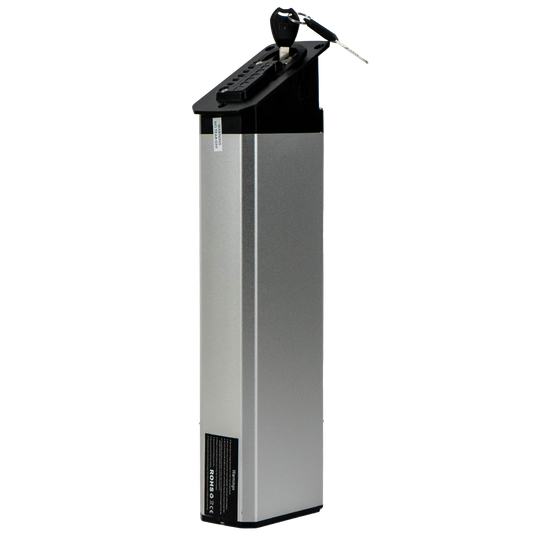
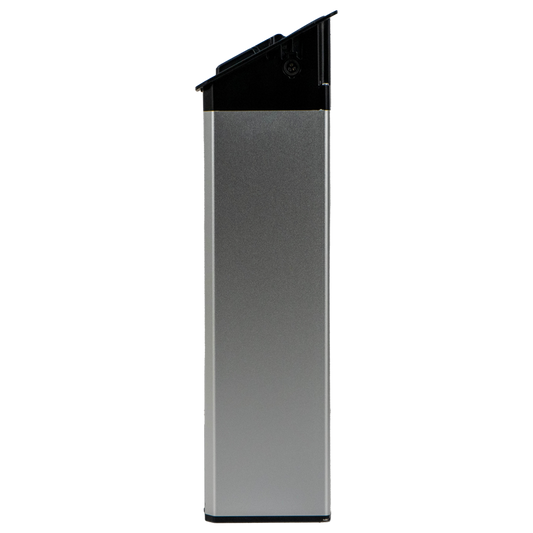
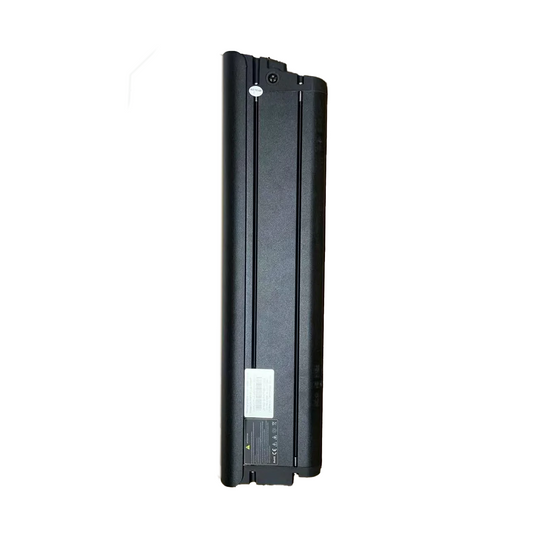
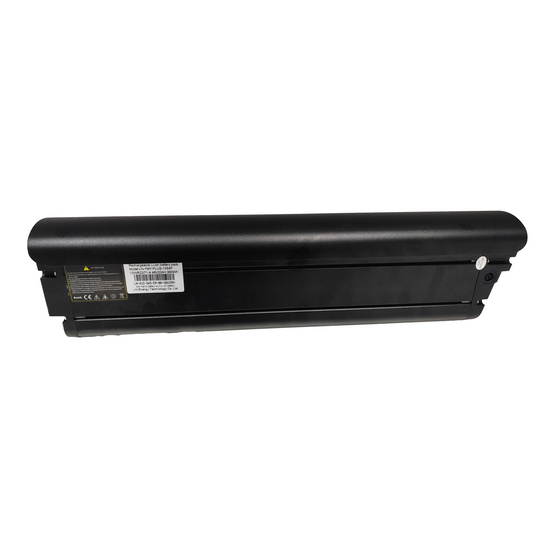
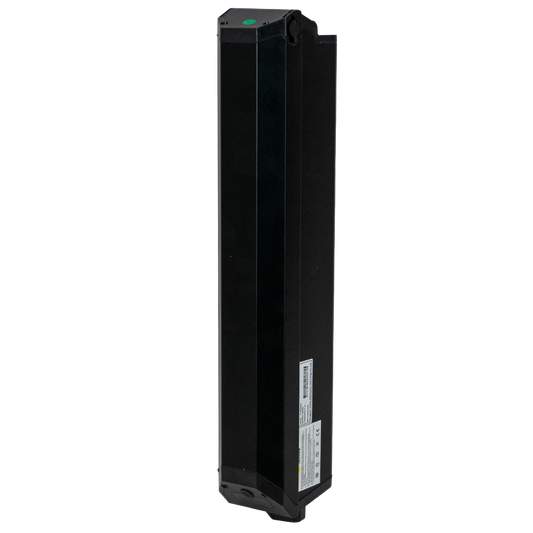
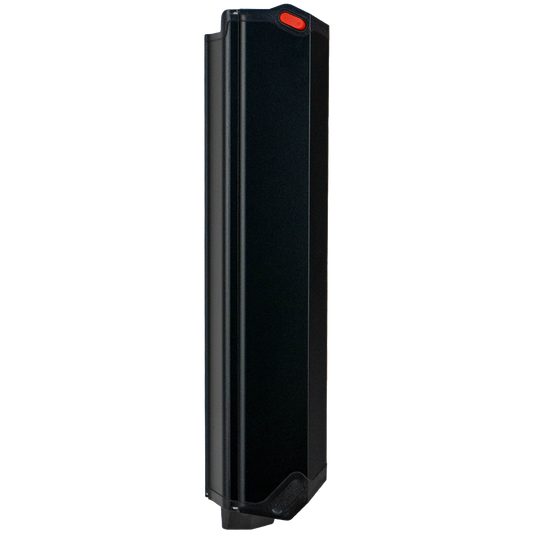
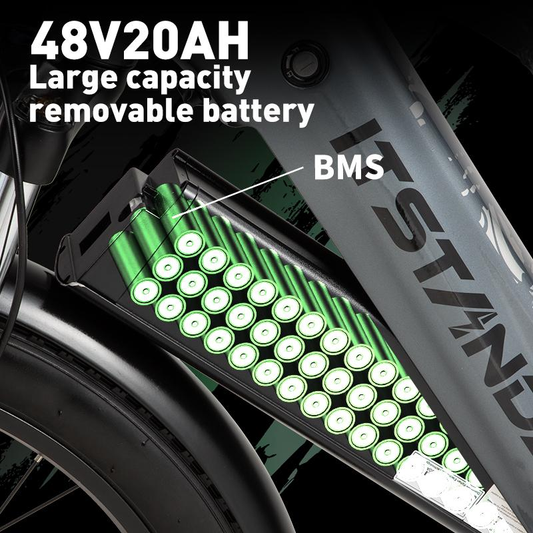
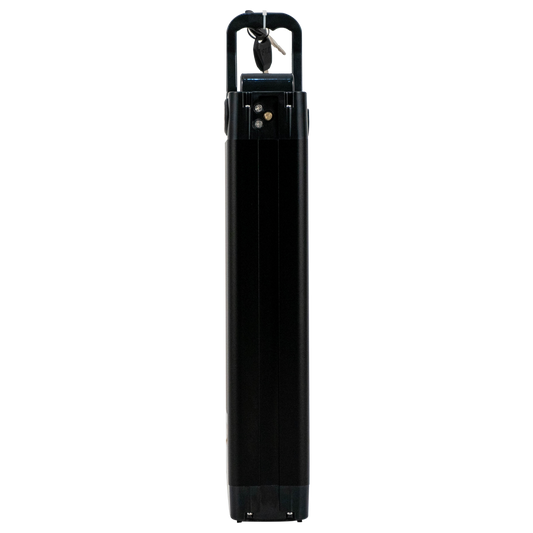
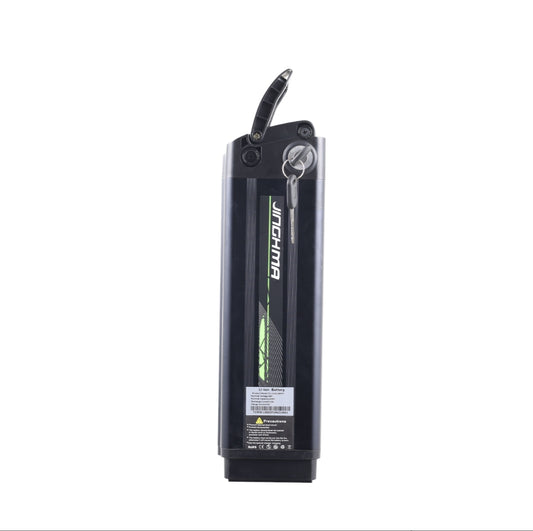
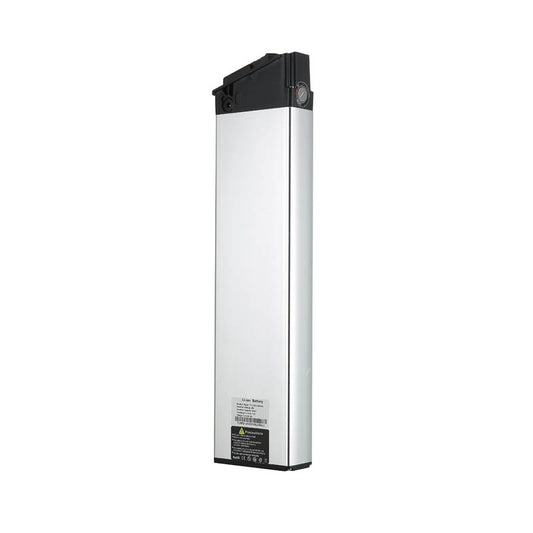
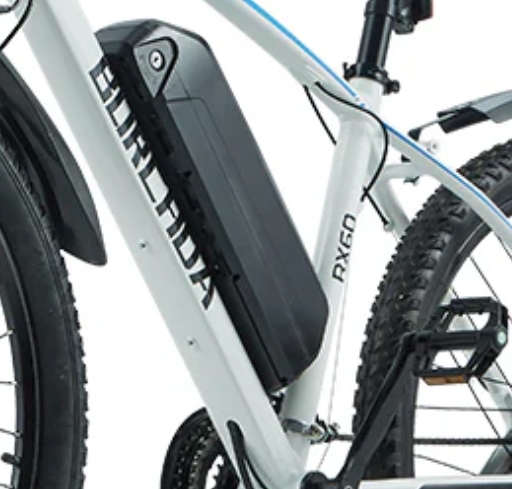
The pack sits in the frame, marked Samsung cells, 48V / 17.5Ah (about 840Wh), around 4.4 kg. About 35.5 kg with the battery, 31.1 kg without. Claimed range is about 50 km; he says that is not realistic in dual-motor full send—more like a single-motor, hard-pedaling figure. The charger is about 2A, a bit under 9 hours from empty. You can charge on the bike or off it.
Frame & Suspension
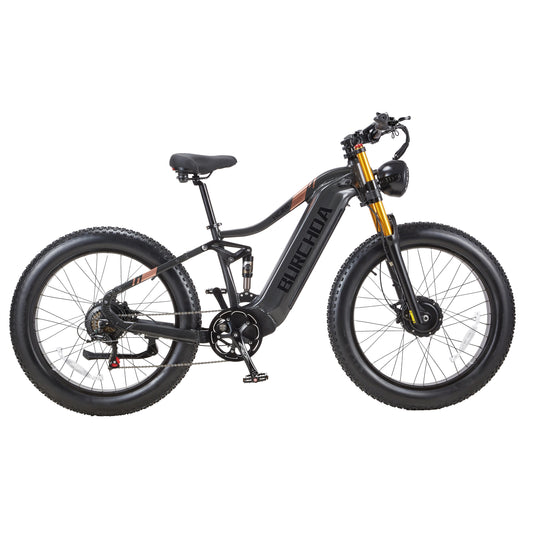
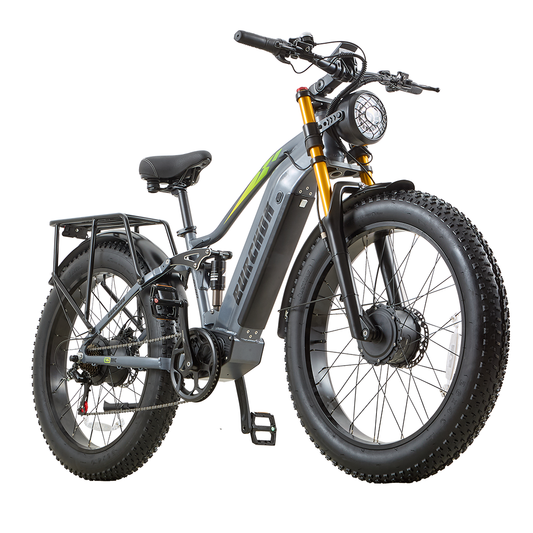
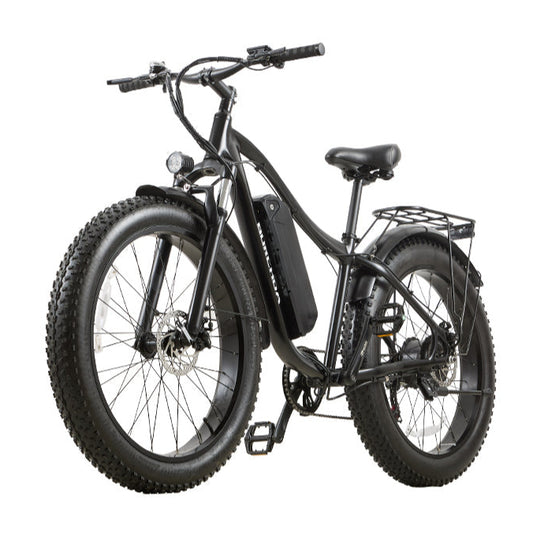
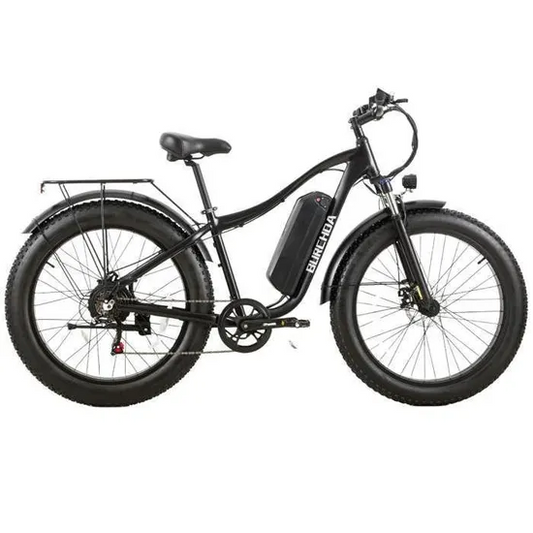
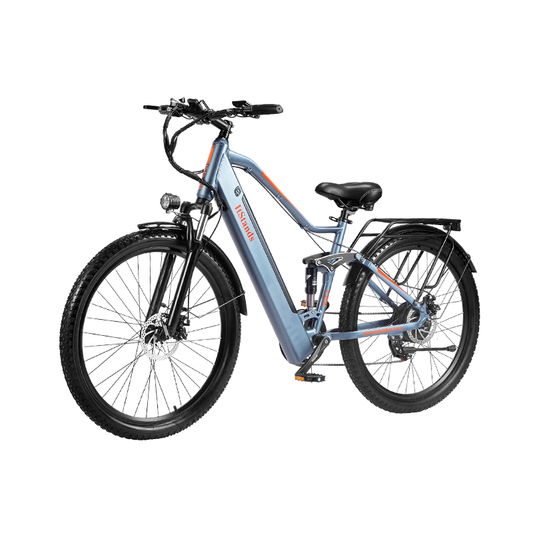
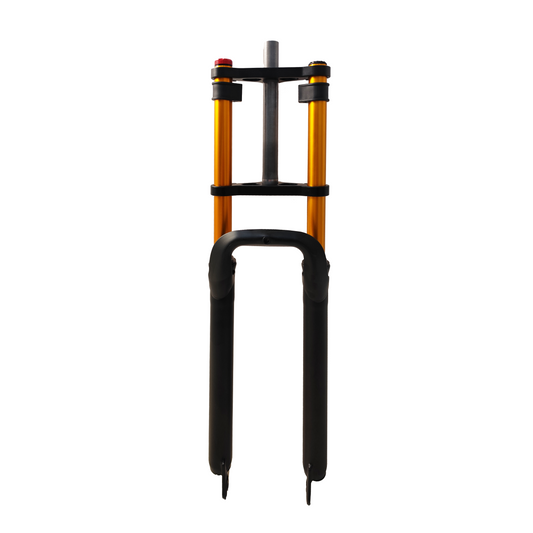
Aluminum frame with chunky-looking welds. The rear uses a linkage that feeds a coil shock (not air, basically no adjust)—and on the trail this is one of the parts he likes. The fork is a moto-look coil unit, about 34 mm stanchions, no lockout, no damping adjust. It looks long-travel; he measures only about 50 mm—the weakest part of the bike.
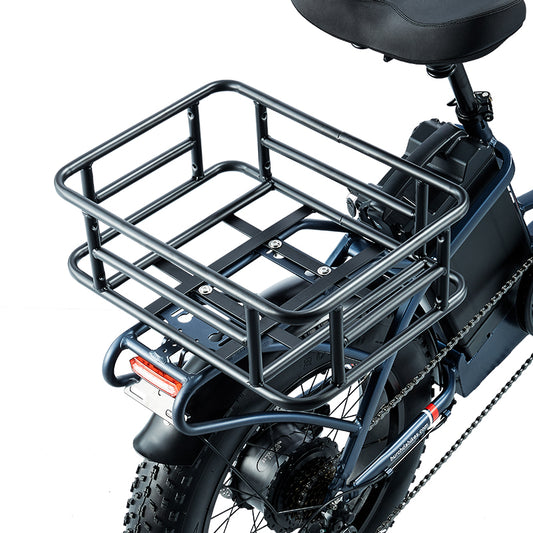
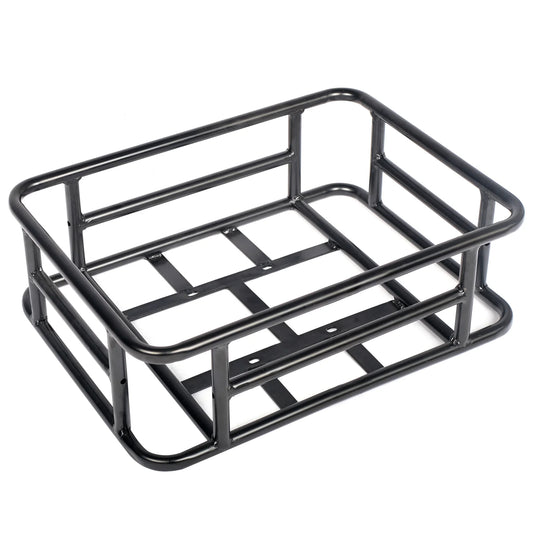
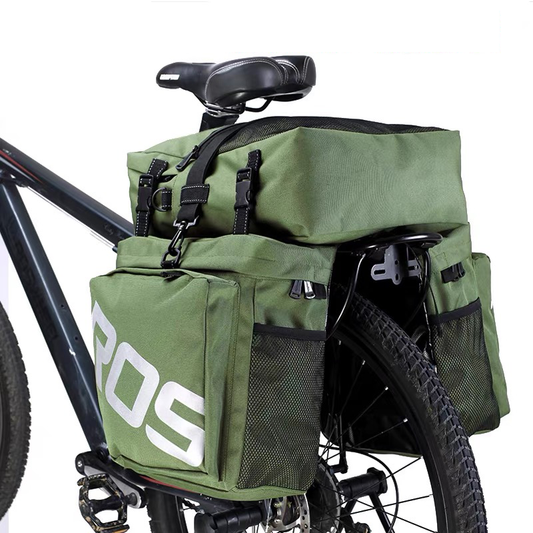
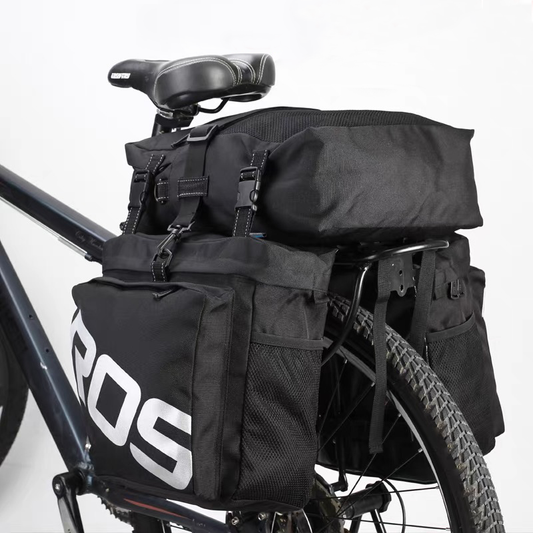
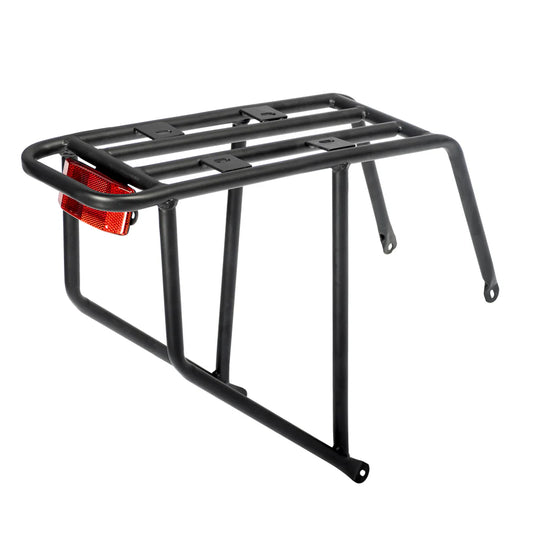
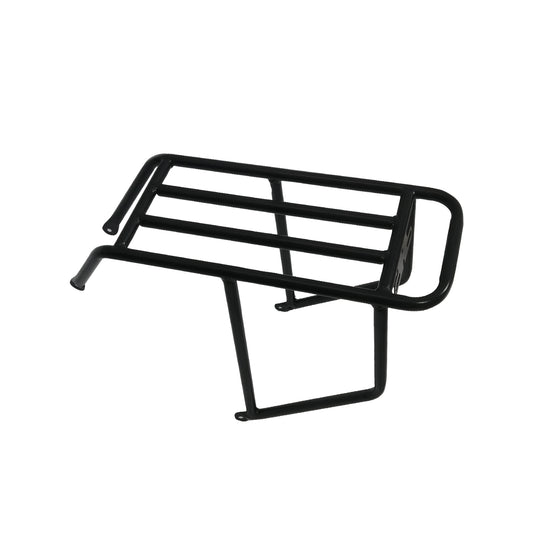
High-step MTB layout, 26″ wheels. Bars sit about 1.11 m off the ground, with no height or angle adjust. Seat about 84 cm low / 1.04 m high. Stated rider height about 1.65–2.00 m. Rear rack about 32.5 × 16 cm, usable for panniers.
Brakes, Drivetrain & Cockpit
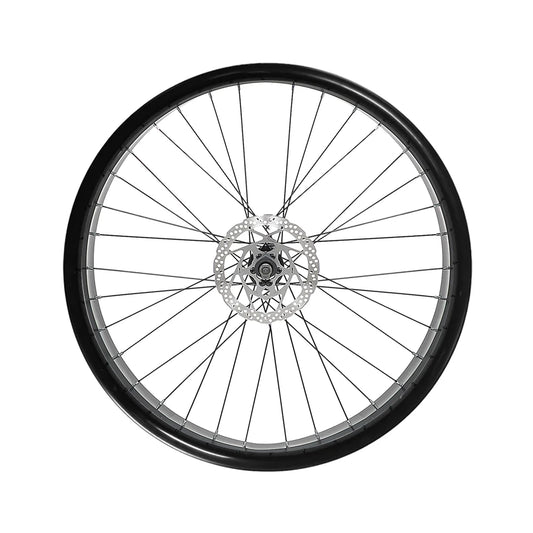
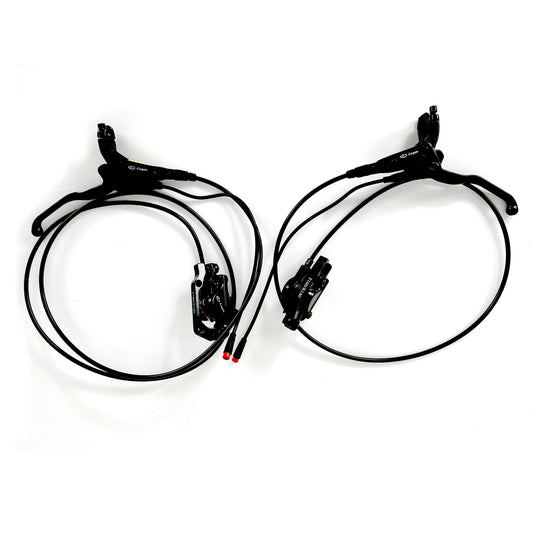
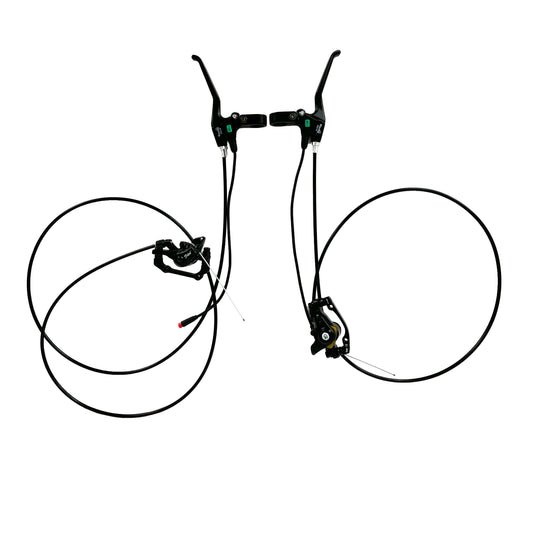
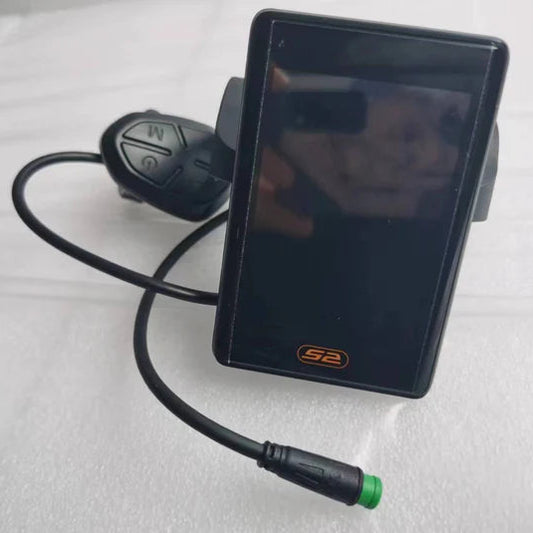
Hydraulic brakes, 160 mm rotors. 7-speed Shimano TZ, cassette about 14–28, 48T chainring. Assist is a cadence sensor, not torque: you do not have to mash, just turn the cranks—friendly if you are not trying to be an athlete. Motorcycle-style throttle; display toggles P1 front / P2 rear / P3 dual, five PAS levels. Keys live on the bar; the bike can still power on without them. The headlight is an LED-plus-reflector setup: some throw, average sides, not flagship; almost no real rear light. Fenders have too few mounts and rattle—one of his loudest small complaints.
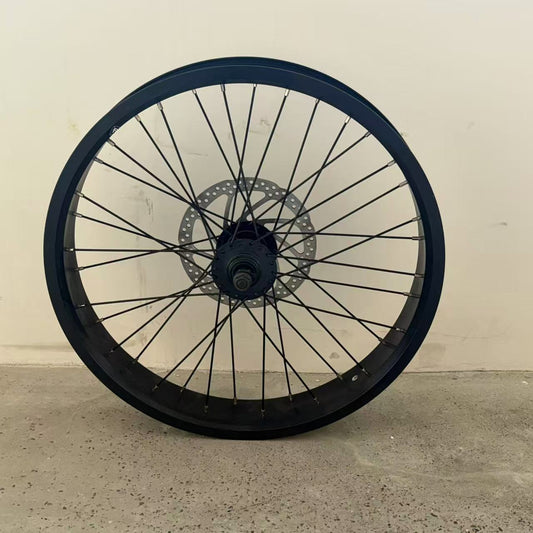
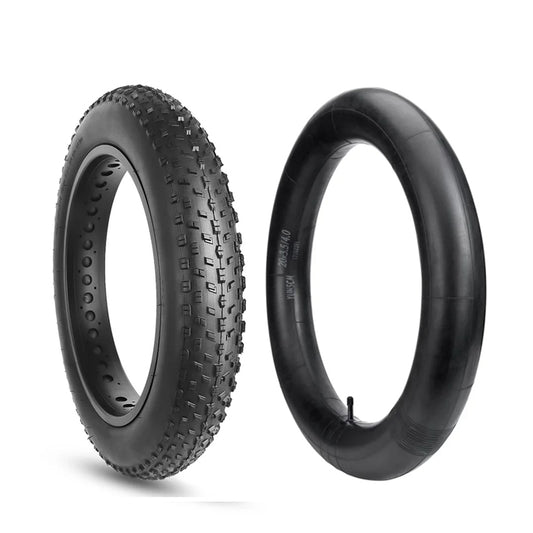
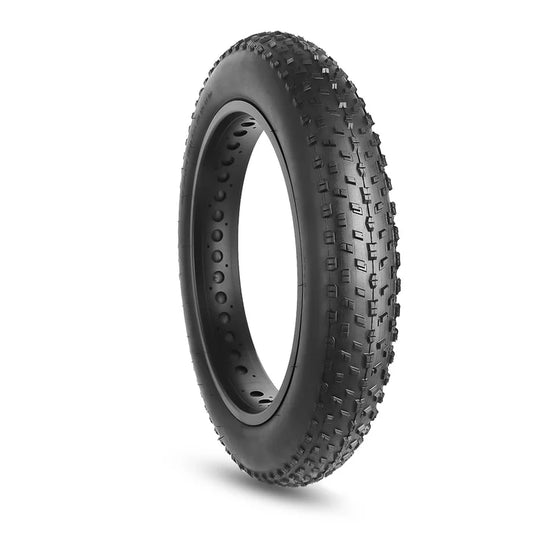
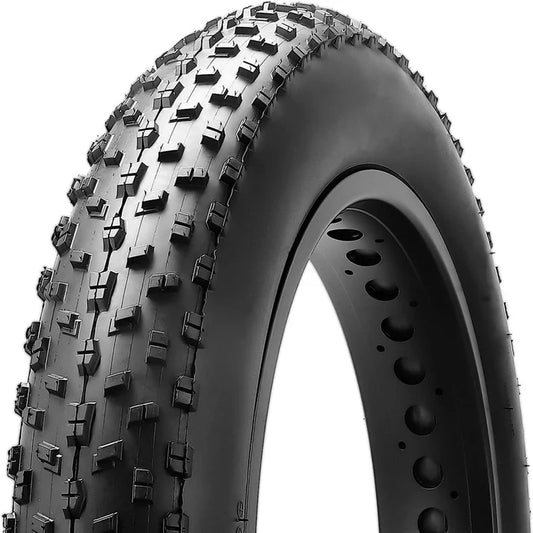
Tires are 26×3 Tom Sport, shallow tread, more “dry dirt + tarmac” than deep-mud spikes. He later says a knobbier Kenda-style tire would make the woods even more fun.
Fit & Feel
Upright stance, easy for larger riders who dislike a long, low stretch. The frame feels stiff on tarmac, with little twist. Bars about 70 cm wide; grips are thick and can fatigue your hands when you are hanging on in the trees. The saddle is medium-firm, fine for a short loop. Overall: budget parts, but the aluminum frame, dual motors, and in-frame battery look cleaner than many external-battery dual-motor bikes.
3. On-Road & Off-Road Testing
Assist, Speed Cap & Ride Feel
On pavement his first practical tip: do not casually run dual motor. Front drive lights up the tire on hard ground and eats rubber; use rear drive day-to-day, dual motor on dirt. Assist kicks in after about half a crank. Five PAS levels take you to about 25 km/h (PAS 4 around 17, PAS 5 around 22–25); throttle is tied to the same levels. Launch is not “street-fighter violent,” but the steps are clear. You need the unlock before the dual-motor speed really shows.
Climbs, Woods & Mud
This is where the bike lights up. After unlock, rear-only on a climb can feel a bit short; dual motor immediately pulls at the front and pushes at the rear, and 30+ km/h over a slope feels easy. In forest, soft mud, and puddles he keeps repeating the same idea: this is a bike for going to play in the woods. Dual motor behaves like 4×4: the rear is less likely to shove you sideways because the front is dragging you forward. He sees about 42–46 km/h on trail sections and still calls the motors enough—and fun. The rear shock actually works on chop and “jump-ish” hits; the fork is harsh and noisy, more so for a heavier rider.
In deep mud, he thinks a single motor would have planted him; dual motor still dragged the bike out. A 3″ tire sinks more than a 4″ in soup, but dual-motor thrust covers a lot of that. On dry ground the 3″ tire is the more agile, less clumsy-steering choice.
Lights & Braking
The headlight is usable, not the brightest; the rear is dim. Hydraulics will stop the bike, and on trail he finds the power enough to play. Rattling fenders and a noisy fork are the two sounds you live with.
Range Sample
Dual-motor play drinks the pack: bars drop from 5 to 3 to 2 in the woods. About 20 km total and he is done—roughly 10–15 km of hard “send it,” then 25 km/h on the road home. His take is blunt: 17.5Ah is tight for dual motor; 20Ah would make the weekend much happier. Single motor plus pedaling, he guesses you might stretch toward about 40 km. So the bike is more “one motor for weekday errands, two motors for Sunday woods” than an all-day dual-motor tourer.
4. Pros & What to Keep in Mind
Strengths (per the reviewer)
- Dual motor in mud, woods, and soft ground feels like 4×4—this is what he enjoyed most
- Rear-only or dual on demand: save battery on the road, go full send off-road
- Stiff aluminum frame; rear shock + linkage actually does work
- In-frame Samsung pack looks cleaner than a bolt-on brick
- Upright fit, rack, and fender idea make weekday “carry stuff” riding possible
- Hydraulics are adequate; cadence assist is easy if you do not want to mash
Worth knowing up front
- About €1,700 is not cheap; he thinks some dual-motor bikes cost less and bring a bigger battery
- 17.5Ah dual-motor range is the main weakness
- Short, stiff fork; fenders like to rattle
- 3″ tires are nimble when dry, less happy in deep mud; tread is shallow
- Power and speed are not EU road-legal VAE (about 250W / 25 km/h)—know local rules
- The character is punchy; he would not make this someone’s first e-bike
His scores (out of 10, with a sarcastic grin): build ~6, comfort ~7, motor ~7, range ~3, value ~5. The numbers look strict, but he still signs off with: in dual motor, he had a blast.
5. Overall Take
In 103 mob stories’ framing, the S600 is not a refined-fork, long-range commute flagship. It is a machine that puts dual motors where they belong—mud, trees, and climbs. What Arnaud likes most: weekdays you can run the rear motor only and use the rack; weekends you open dual drive, pull and push, and treat soft ground like a playground.
A good fit if you already know electric two-wheelers, want woods/mud fun, can live with short dual-motor range, and like an in-frame battery.
A weaker fit if this would be your first e-bike, you mostly ride long road miles, or you care most about fork quality and one-charge distance.
In the spirit of his wrap-up: the parts are not top-shelf and the price is not the sweetest—but the stretch where both motors are on is the kind of bike that makes you grin.